
The best time to visit mekong delta falls between November and April, when the region enjoys its dry season with pleasant weather, minimal rainfall, and colorful festivals. Travelers researching when to plan a Mekong Delta trip can expect a breakdown of seasons, tips on cultural events, and advice for maximizing good weather while minimizing crowds or high prices for a smooth trip.
Top Months and Seasons to Visit the Mekong Delta
Best Overall Time to Visit: Seasons, Weather, Pros, Cons, Festivals & Tips
The Mekong Delta offers the best overall experience during its dry season, spanning November to April. Visitors will enjoy pleasant sunny days, low rainfall, and lower humidity, making this period optimal for cruises, cycling, walking, floating market visits, and photography. Many consider this the preferred travel window for the region.
During the dry season, temperatures typically range from 25–32°C (77–90°F), with humidity around 65–75%. Rainfall is minimal, especially in the core dry months, usually staying under 50 mm per month.
Advantages of visiting now include predictable, comfortable weather for outdoor and river activities, calmer rivers, reliable visibility, and easier travel logistics with fewer weather-related interruptions.
However, this is also peak tourist season, particularly from December through February. Expect higher accommodation and tour prices, and note that some canals can become shallow toward the end of the dry season.
Festivals such as Tết (Lunar New Year, January or February) bring vibrant decorations and bustling markets, though some businesses close on the main holidays. Local flower villages and craft workshops are especially active between November and February.
Travel tips include booking early for holidays, seeking better value by visiting in November, early December, or late March through April, and timing your trip around the main days of Tết for both atmosphere and service availability.
November (Start of Dry Season)
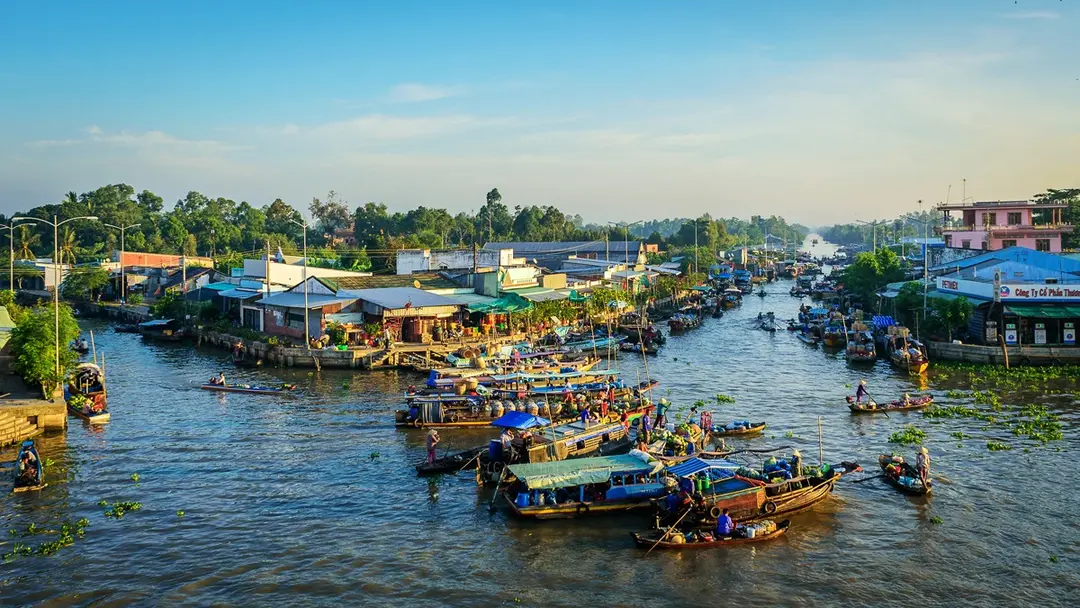
November marks the beginning of the dry season, with rainfall tapering off and cooler, pleasant conditions ideal for cruises and village touring. Humidity is lower, and the days are sunnier and cooler than in previous months.
This month strikes a great balance between good weather and relatively fewer crowds compared to the upcoming peak. It’s also the perfect time for enjoying river cruises, flower villages, and crafts.
Expect some lingering humidity and the occasional early-month shower, but overall conditions rapidly improve. Late November gets busier due to approaching year-end festivities.
It’s a valuable period for travelers chasing favorable rates before the high season fully arrives.
December (Prime Dry, Cool, and Festive Month)
December offers very dry conditions, comfortable temperatures around 23–31°C (73–88°F), and clear blue skies—ideal for holidaymakers. Afternoon rain is minimal, averaging about 13 mm over the month.
It’s an excellent time for sunset river tours, photography, and cycling. Cities like Can Tho and Ho Chi Minh City host vibrant Christmas and New Year events, and villages boast lively markets.
Expect higher tourism volumes and increased prices compared to November. Advance reservations are recommended, especially for popular accommodations and activities.
For the best floating market experience, plan early morning visits to avoid peak crowds.
January (Coolest Month of the Dry Season)
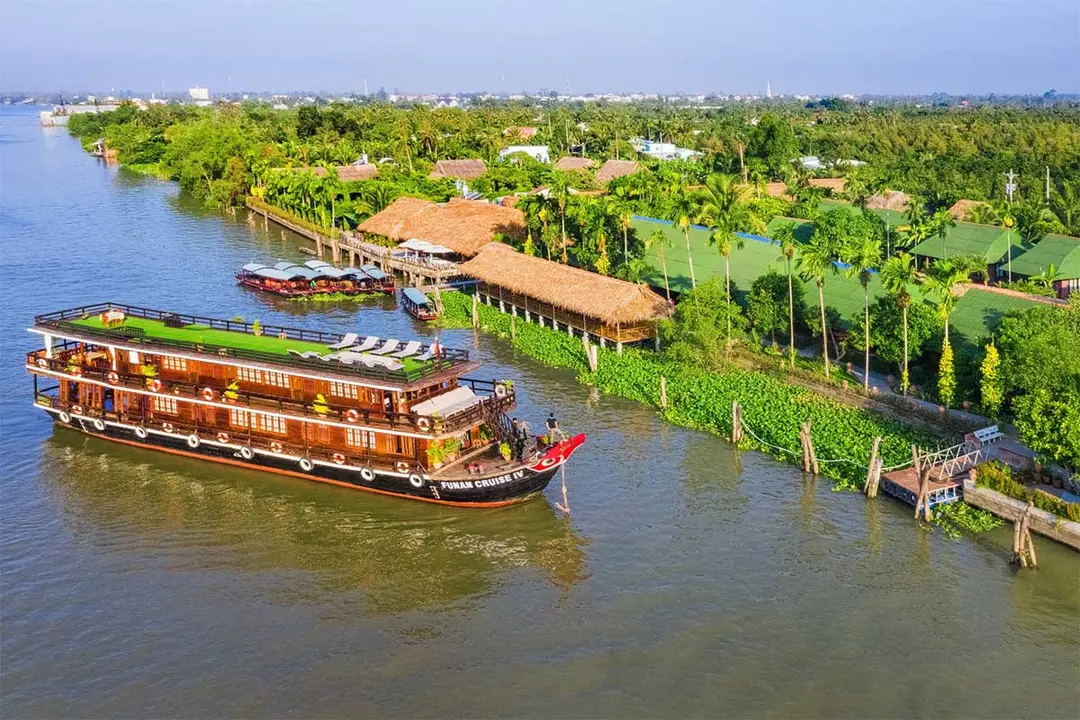
January features the coolest stretch of the year, with temperatures hovering between 25–30°C and dry, sunny days. Tourism peaks during this time, especially as many travelers arrive to enjoy the calm, clear conditions.
This month is especially comfortable for all-day excursions, including cycling and river trips. You’ll find lively pre-Tết markets, especially when the Lunar New Year falls in late January or early February.
To avoid closures caused by the Tết holiday, plan your stay for a few days before or after the main festival days to enjoy the festive atmosphere and maintain access to essential services.
February (Often the Single Best Month to Visit)
February is frequently highlighted as the driest and most comfortable month to visit the Mekong Delta. Expect very low rainfall—often just one or two rainy days under 15 mm in total—and temperatures between 22–32°C (72–90°F). Humidity remains around 65–70%.
Ideal conditions allow for all main activities, from river cruises and cycling to photography and exploring rural villages. Despite it being Vietnam’s high season, the Mekong Delta is typically less crowded than national hotspots.
Peak-season pricing and increased activity are the main drawbacks. If your visit overlaps with Tết, time your trip to experience the celebrations without missing out on services—aim for just before or after the core holiday days.
March (Late Dry Season, Still Excellent)
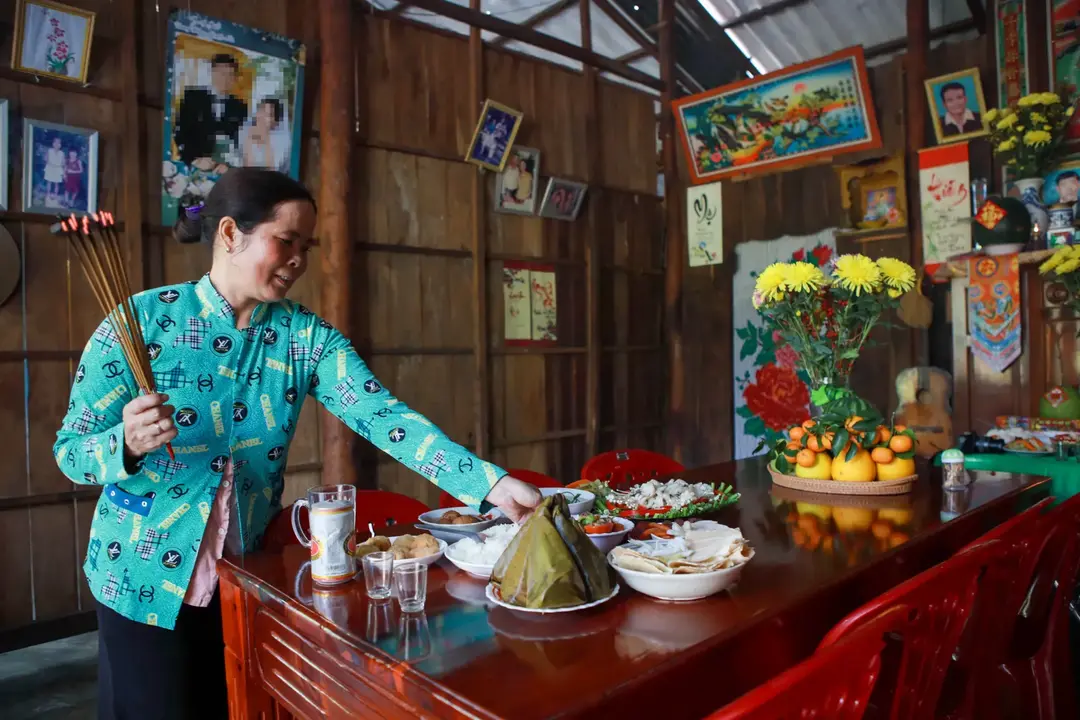
March continues the dry and sunny trend, with warmth gradually increasing. The weather remains well-suited to river cruises, cycling among blooming orchards, and visiting bustling markets before higher heat and humidity arrive.
This is a good time for travelers wanting pleasant weather and somewhat fewer crowds than peak months. Expect the heat to increase toward the end of March, but rain is still rare.
Local fruit orchards come to life, and community festivals can be found across different provinces. It’s also a great opportunity for photography and enjoying less congested tours compared to earlier in the season.
April (End of Dry Season / Pre-Rains)
April is generally dry but notably warmer, with temperatures often reaching into the low 30s°C. Rainfall starts to pick up toward the month’s end, signalling the transition to the wet season.
April is good for paddling through pre-harvest rice fields, village boat trips, and sampling seasonal fruits. While it remains drier than the months to come, midday heat and humidity can be challenging.
Some regional Khmer and local festivals are celebrated in late April, though their timing varies. To stay comfortable, schedule your main activities for the early morning and late afternoon.
Rainy/Green Season (May–October): An Alternative for Lush Scenery and Fewer Tourists
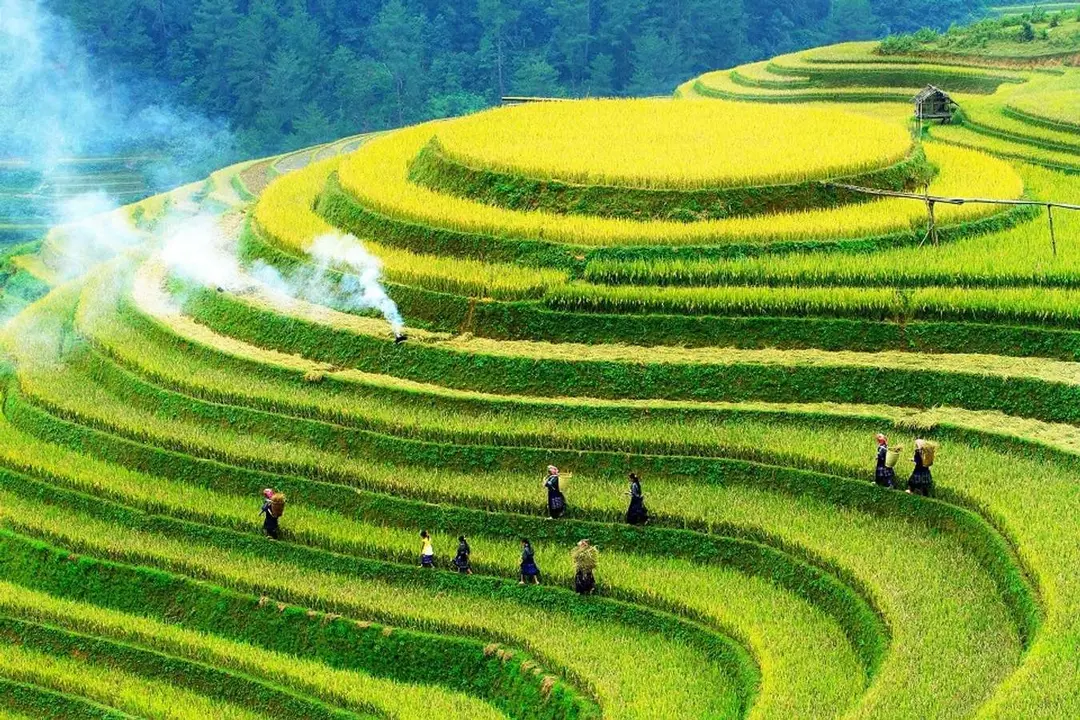
The rainy or ‘green’ season, lasting from May to October, transforms the Mekong Delta landscape into a lush expanse of green, overflowing rice paddies and thriving orchards. Water levels are higher, perfect for exploring remote floating markets and canals.
Rains generally take the form of short, heavy afternoon downpours (1–3 hours), while mornings and nights are often clear. Humidity is high, ranging from 85–90%, and rainfall averages 150–250 mm per month—about 75% of the region’s annual total.
Benefits of traveling during this period include dramatic skies ideal for photography after storms, active wildlife and birdwatching, lower accommodation costs, and a reduced tourist presence for more authentic local experiences.
However, the downsides include frequent afternoon storms, uncomfortable humidity, occasional flooding of rural trails, and an increased presence of mosquitoes. Pathways can become tricky in low-lying areas.
Seasonal highlights are unique: local river and fishing festivals appear during high-water months, especially in July. Harvest-fueled markets and lively agricultural activity can be witnessed in September.
Smart travel tips for the wet season include planning key activities in the mornings and remaining flexible in the afternoons. Waterproof bags and quick-dry clothing are essentials, and significant savings can be found on hotels and cruises in May–June and September–October.
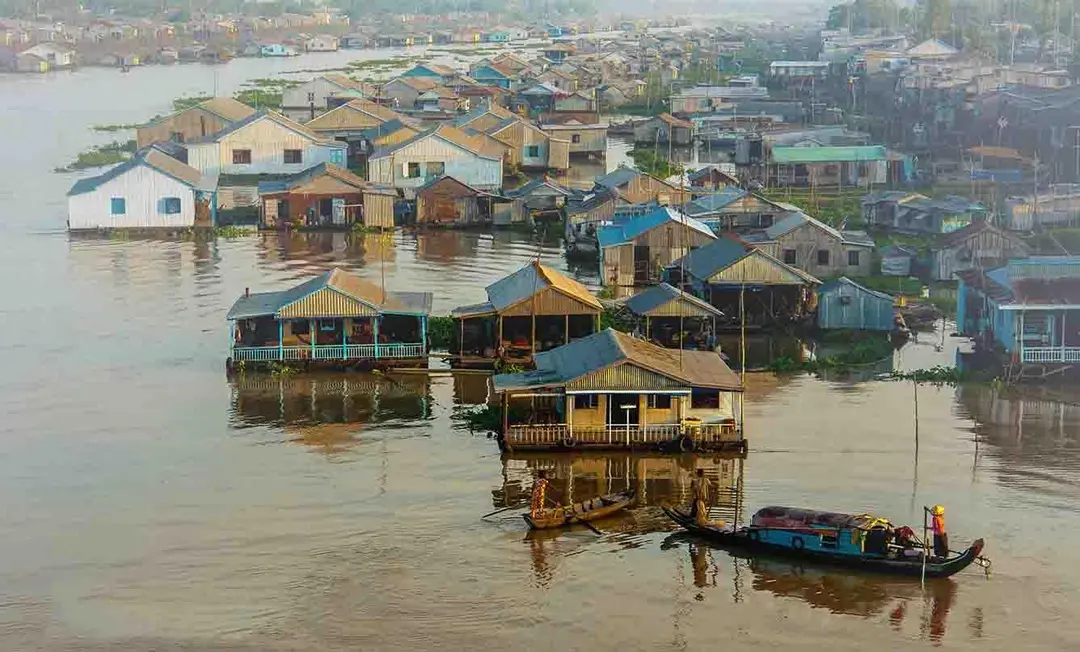
May (Start of the Rains / Shoulder Season)
May is a transitional month bridging the dry and wet seasons. Showers become more common, but the wettest period has not yet arrived. Days are warm and humid, with early seasonal flood patterns beginning to appear.
This is a valuable month for experiencing life along the rivers—floating gardens, fish farms, and local routines are on display. Fewer tourists and lower prices are an advantage compared to peak dry months.
There may still be disruptions due to rain, mostly in the afternoons, so flexible planning is advisable. Overall, May serves as a good-value shoulder season for those comfortable with some rain.
June (Rainy, but Great for Value and Greenery)
June is well into the rainy season, featuring lush landscapes and fewer tourists. Afternoon thunderstorms are common, but mornings are often clear. Birdwatching and village tours are especially rewarding this month.
Dramatic scenery—including mist-covered river mornings—creates prime conditions for photography. This is the season for village tours, learning about local fishing methods, and observing active birdlife.
Deep discounts and empty top hotels add to the appeal but require travelers to remain flexible and ready to quickly adapt to weather changes. Use rainy periods for indoor explorations like cultural workshops or cooking classes.
July (Mid-Rainy Season)
July continues the rainy trend with high humidity and frequent intense showers, but the region fruits markets are at their peak, offering the best selection.
It is an excellent time for attending local river festivals, sampling abundant tropical fruits, and joining cooking classes that focus on seasonal ingredients from the region.
When rain is particularly heavy, shift your focus to food markets and cultural activities to make the most of your stay.
August (Continuing Rainy Season)
August sees continued rainfall and humidity, keeping waterways high and quiet as tourist numbers dip. Traditional fishing and visits to peaceful water villages are especially enjoyable.
The chance of afternoon rain and storms remains high, and rural roads may become muddy. Choosing accommodation with comfortable on-site amenities will enhance your experience during rainy intervals.
September (High Water and Harvest Time: Perfect for Floating Markets)
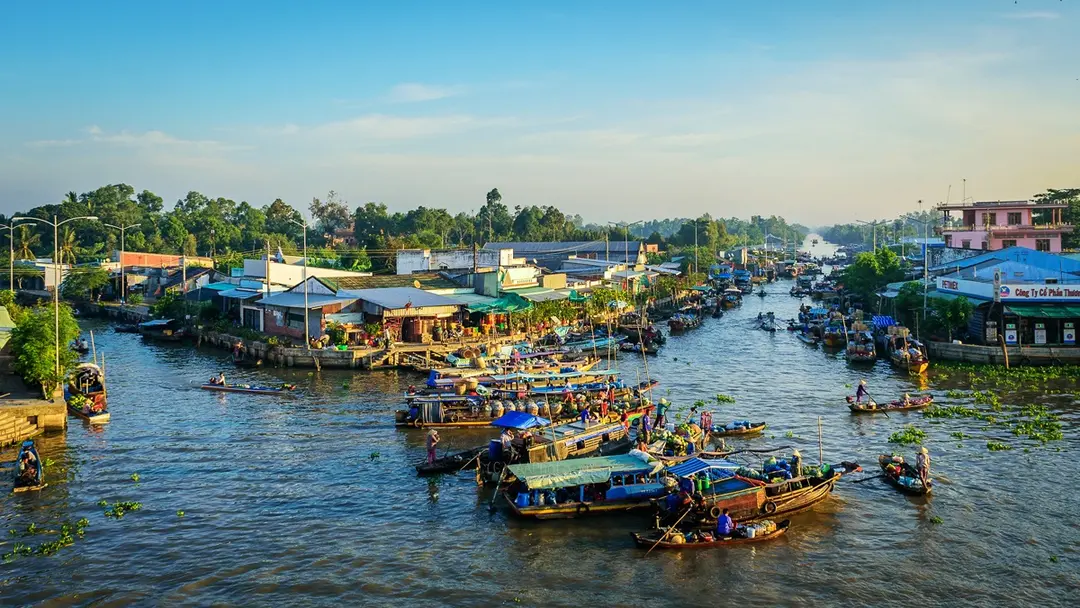
September stands out for its high water levels, making floating market visits and photography easier and more authentic, thanks to the smaller number of tourist boats.
Mornings are often cooler, around 24–26°C, and less rainy—making early morning the ideal time for touring markets at their busiest and most colorful.
The harvest brings a bounty of tropical fruits and rice, creating lively markets and vibrant farm activity, despite the risk of heavy morning or afternoon showers.
October (Late Rainy/Early Dry Transition Month)
October is a transitional month, with lingering rain and high humidity at the start but a clear trend toward drier, more comfortable conditions by month’s end.
It’s a smart choice for value travelers, with discounted accommodations and approachable crowds. Late October is best, as rainfall decreases while costs and tourist volumes remain on the lower side.
Expect variable weather—both sunny stretches and some remaining heavy showers. Timing a trip for late October delivers the best balance before the full dry season begins.
How the Mekong Delta’s Weather Patterns Impact Your Trip
Typical Rainfall and Temperature Patterns
The Mekong Delta’s climate is tropical, with two main seasons: dry and rainy. During the dry season (November to April), rainfall is low, and temperatures are comfortable, mostly between 25–32°C. The hot peak occurs in late March and April, with occasional seasonal showers signaling the approach of the rains.
In the rainy season (May to October), rain is common, averaging 150–250 mm each month. Most rain falls in the afternoons, so sightseeing is best planned for early in the day. Morning temperatures are slightly cooler, while humidity rises.
Travelers should expect sun and dry conditions in winter, and rainier, lusher scenery in the summer months. Planning flexible outdoor activities and packing light rain gear helps make the most of both seasons.
Humidity, Flooding Risks, and Water Levels
Humidity in the Mekong Delta ranges from 65% in the driest months up to 90% or more in peak rainy season. The air is most comfortable from November to February. High humidity starts in late April and remains until October.
Flooding is a risk mostly in rural areas and along low-lying rivers during the wet season, especially September and October. High water levels can limit access to some attractions or village homes, but also create ideal conditions for floating markets and river cruises.
Low water in late dry season can affect canal depth, limiting boat access to some sites. Local guides stay aware of daily water levels and help adapt your touring plans as needed.
Mosquitoes and Health Considerations by Season
Mosquito activity increases during the wet season (May–October) due to higher humidity and standing water. Dengue fever risk rises in summer. Dry season sees fewer mosquitoes and lower risk for mosquito-borne issues.
To minimize health risks, wear light, long-sleeved clothing, use repellent year-round, and sleep with nets if staying in rural guesthouses. Staying in air-conditioned or well-screened accommodations further reduces exposure.
All travelers should carry sun protection, stay hydrated in the heat, and check for travel health updates. Practicing good preventive care ensures a healthy and safe trip, no matter what time of year you visit.
To experience the authentic river life and vibrant local culture firsthand, feel free to explore our curated Mekong Delta tour collection at Viet Kolors Tour. We are dedicated to providing immersive journeys that showcase the true essence and hidden gems of the Mekong region.
