
Mekong slow boat is the essential keyword for a unique river journey between Huay Xai and Luang Prabang. Here you’ll find routes, schedules, ticket prices, booking advice, and practical tips. Readers want a clear guide to reduce uncertainty, plan logistics, and ensure safety while preparing for the mekong slow boat adventure.
Mekong Slow Boat Journey: Routes, Schedules, Tickets, and How to Book
Route and Basic Journey Overview
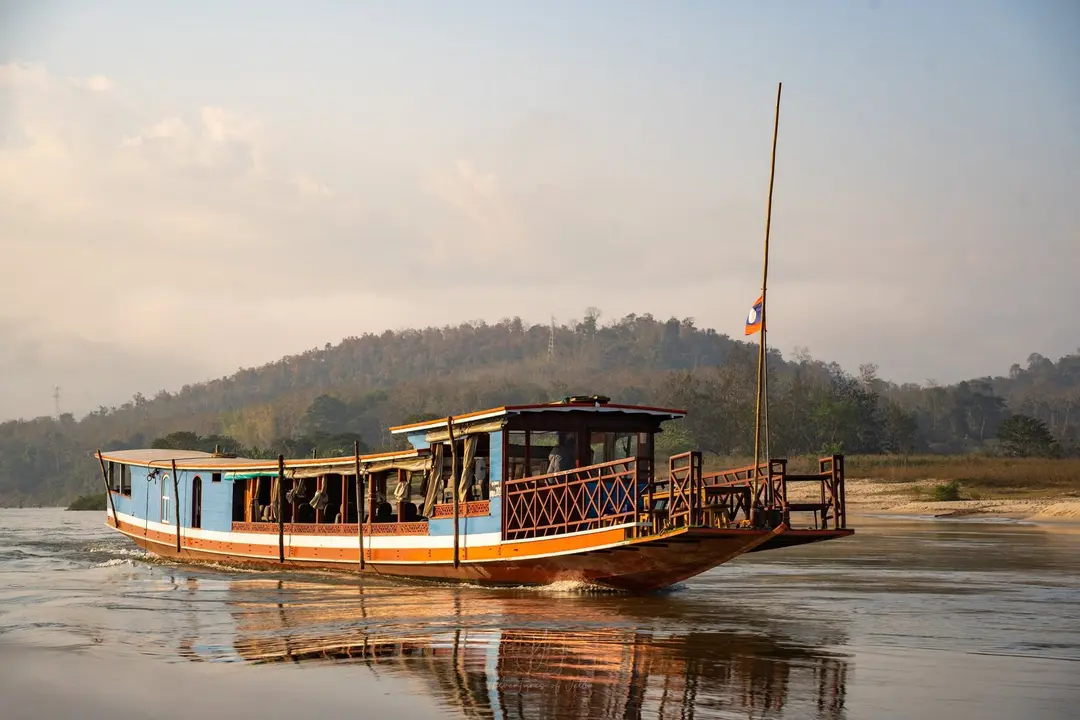
The most popular mekong slow boat journey travels from Huay Xai, a border town in Laos opposite Thailand, to Luang Prabang, with an overnight stop in Pakbeng. Most independent travelers begin in Thailand, cross to Huay Xai, and start their boat trip from there. The route takes you along the Mekong River through dramatic landscapes and riverside villages. The journey also runs in reverse, starting in Luang Prabang and finishing at Huay Xai. Public slow boats are favored for their affordability and daily service, with the full trip taking two days including an overnight stay in Pakbeng.
Schedules and Duration
Public mekong slow boats generally leave from Huay Xai for Pakbeng at about 11:30 a.m. daily, boarding from 9:30 a.m. to secure tickets and seats. The first segment, from Huay Xai to Pakbeng, takes 6 to 8 hours depending on river conditions. The following day, the boat continues at a similar schedule from Pakbeng to Luang Prabang, also 6 to 8 hours. Overnight accommodation in Pakbeng is necessary, but not included in the boat ticket. These boats typically run every day unless extreme weather or low river levels cause cancellations. Advance arrival at the pier helps guarantee you a seat, especially in high season.
Ticket Prices for Public Slow Boat
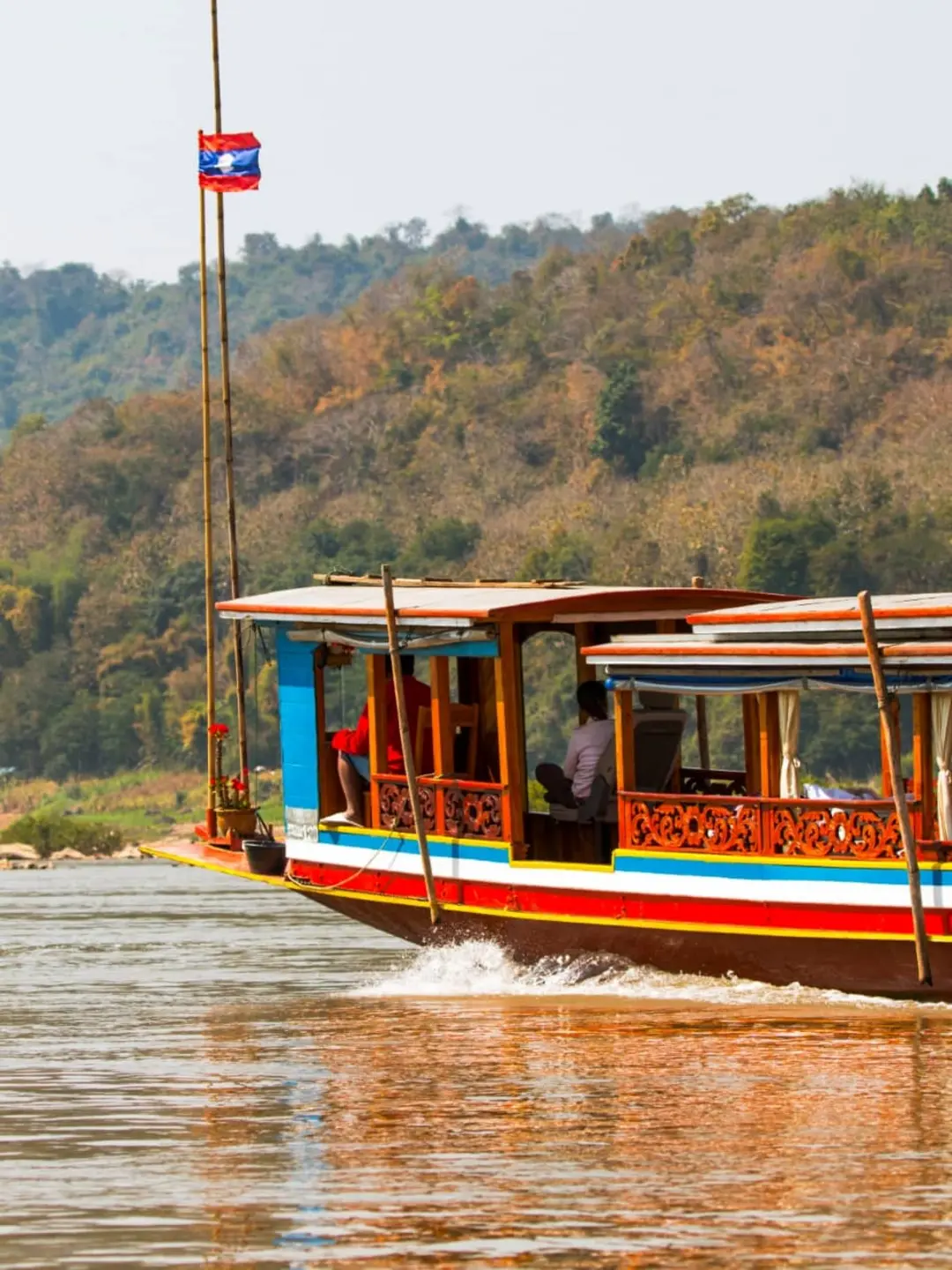
Mekong slow boat tickets are cheapest when bought directly at the pier. The standard two-day journey from Huay Xai to Luang Prabang currently costs around 300,000 LAK. Older rates have been noted at 210,000 LAK, but recent increases push typical tickets to 400,000–450,000 LAK if bought through agents or accommodations—though this often includes transfers. For the reverse journey, ticket purchases at the Luang Prabang pier are paid per segment, usually 110,000 LAK per leg, plus tuk-tuk transfer expenses. Agencies may offer inclusive packages ranging up to 490,000 LAK, reflecting higher convenience or seasonal demand. Always ask what is included in the advertised price to assess value.
Luxury and Cruise Options
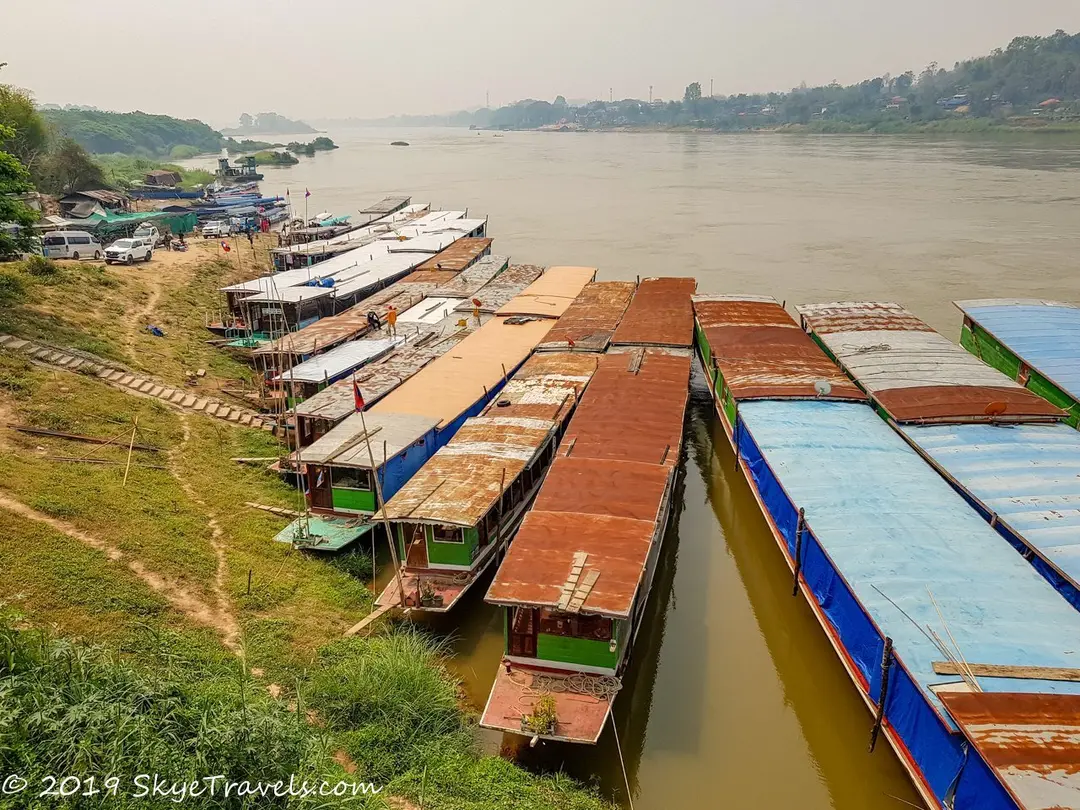
Luxury mekong slow boat cruises cover the same Huay Xai to Luang Prabang route but emphasize comfort. These cost several hundred US dollars, and mid-range options also exist with pricing about double the public ticket but including features such as meals, onboard drinks, upgraded seating, and sometimes guided stops. Operators like Shompoo Cruises run two-day journeys providing a higher level of service. Online tour platforms frequently list slow boat packages starting at $48 USD and rising with added amenities.
How and Where to Book
The most reliable and economical way to book your mekong slow boat trip is at the pier in person. In Huay Xai, you will find the ticket hut above the boats, where tickets must be bought with Laos kip. In Luang Prabang, you purchase at the slow boat dock about 10 kilometers from the center. Some travelers, especially those stopping at Pakbeng, simply buy tickets onboard, paying the conductor directly. Hotels, guesthouses, and travel agencies in both Huay Xai and Luang Prabang can arrange tickets, at higher prices but often including pier transfers and lodging options. Package departures from Chiang Mai, Chiang Rai, or Pai include transfers and border crossing assistance, useful for first-time visitors but at a higher overall cost. Online booking is most common for luxury or cruise options, and is wise in peak season if you want added security.
What to Pack for the Mekong Slow Boat
When traveling the mekong slow boat, always bring your passport for border formalities and enough Laotian kip for cash-only transactions. Since no meals are included, stock up on food, snacks, and water before departure, as onboard options are limited and expensive. Dress in layers for variable temperatures and bring sun protection like a hat and sunscreen. A seat cushion, inflatable pillow, and earplugs improve comfort since seats can be basic. Power banks, offline entertainment, toilet paper, hand sanitizer, first aid items, and mosquito repellent are recommended. Overnight supplies for Pakbeng, including a sleep sheet, are useful as accommodations are basic.
Onboard Amenities and Comfort Level
Public mekong slow boats have simple benches or old vehicle seats, with no reserved seating and limited legroom. Open sides and a roof provide shade and ventilation, letting you enjoy panoramic river views. Onboard toilets are basic, so bring your own supplies for cleanliness. Snacks and drinks might be sold but are pricier than in towns. Wi-Fi and power outlets are rare or absent. The ride is scenic and sociable but can be crowded and noisy during peak times, with comfort lower than on tourist cruises. Luxury services offer much more space, better seating, full meals, improved bathrooms, and often a quieter and more relaxed journey, justifying the cost for comfort-seekers.
Border-Crossing Procedures: Thailand to Laos via Huay Xai
Start the mekong slow boat trip in Thailand by taking a bus from Chiang Rai or Chiang Mai to Chiang Khong, then proceed to the Thai-Laos border. Handle Thailand departure at immigration, then cross the Friendship Bridge by shuttle for a small fee. Laos arrival requires a visa on arrival; bring USD, passport photos, and cash for the fee. Once cleared, take a tuk-tuk or shared taxi for around 20,000 LAK to the Huay Xai slow boat pier. Buy your boat ticket at the ticket window, store large bags as required, and keep valuables close during boarding. The reverse route follows the same border procedures from Laos to Thailand.
Safety Tips and Travel Advisories
Mekong slow boats are generally safe for local and international travelers, safer than the notoriously risky fast boats. Life jackets may be limited, so consider a personal flotation device if concerned about safety. Keep valuables close since some boats get crowded, making theft more likely. Agency and guesthouse ticket pricing includes service commissions; checking pier prices helps you judge value. Main health risks are sun exposure, dehydration, and motion sickness—bring protection and medications for comfort. Ensure drinking water is safe before purchase. During heavy rain or low water, timetables can be disrupted, so always check conditions before traveling.
Travelers’ Personal Experiences and Reviews
Travelers on the mekong slow boat rave about the river’s natural beauty, limestone cliffs, dense jungle, and colorful village scenes. The atmosphere is generally relaxed and social, with opportunities to connect, read, or simply watch the scenery. Some complain of cramped or worn-out seats, engine noise, or crowded boats in high season. Boats vary from older types with recycled seats to newer, more organized layouts. Pakbeng, the overnight stop, is practical with basic guesthouses and plenty of places to eat; most find a room easily, though booking ahead may help in peak periods. For the price, the public mekong slow boat is considered a memorable, unforgettable experience, though luxury cruises add extra comfort if you can spend more.
Alternative Transportation Options on the Mekong Route
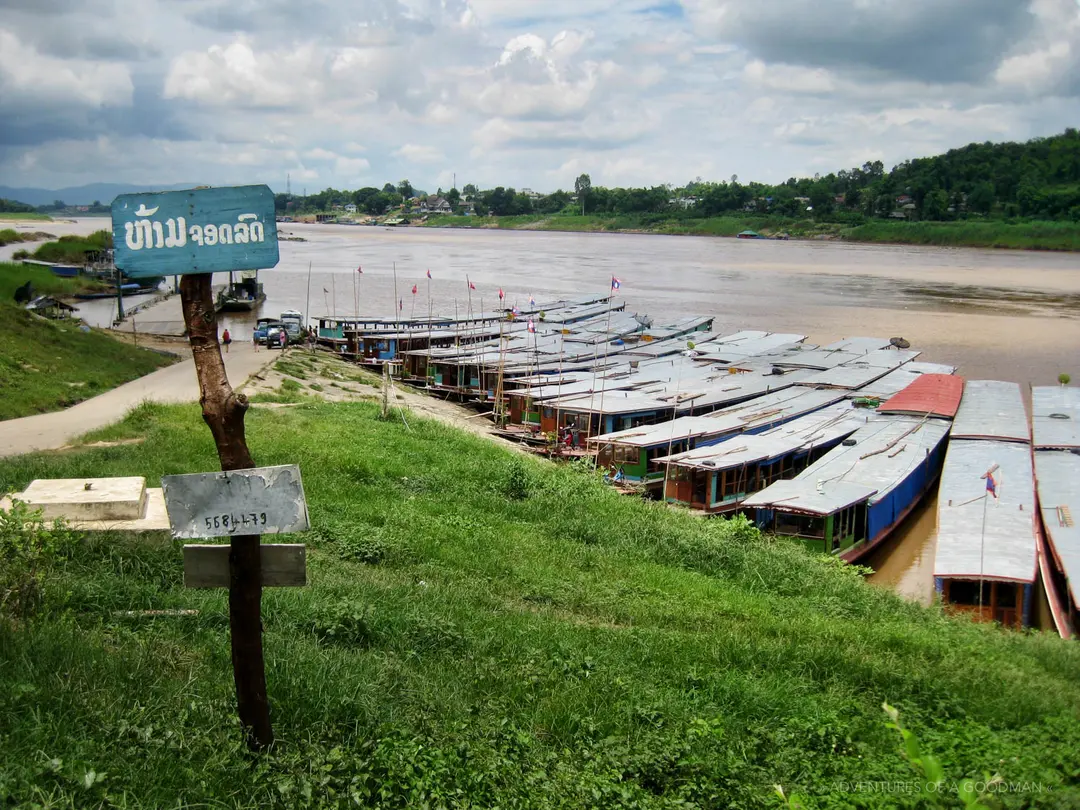
In addition to the classic public mekong slow boat, you can choose a luxury cruise with meals and amenities, priced in the hundreds of dollars. Fast boats allow you to reach your destination in about 6–7 hours, but with serious comfort and safety trade-offs. Overland buses and minivans follow the river route in 10–14 hours and can be cheaper or comparably priced, but miss out on the river scenery. Flights from Huay Xai to Luang Prabang are quick but costly, and skip the slow boat experience entirely. Always check current schedules and prices close to travel, as they can change with season and demand.
Comparing Slow Boat vs. Fast Boat vs. Bus for the Mekong Journey
Speed, Comfort, and Scenery Differences
A mekong slow boat from Huay Xai to Luang Prabang takes two days, with an overnight in Pakbeng and hours spent gliding past river valleys and jungle. Fast boats complete the route in 6–7 hours but are noisy, cramped, and much less comfortable, with high-speed bumps and minimal scenery appreciation. Buses travel the route in 10–14 hours, often overnight, missing out on the river’s views and atmosphere. The slow boat is unique for relaxation and sightseeing, while fast boats and buses favor efficiency over experience. Onboard comfort, space, and smoothness are all best on public slow boats or cruise lines.
Safety Considerations for Different Modes
Mekong slow boats are widely considered the safest way along this river, with rare incidents and a reputation for reliable operation. Fast boats, on the other hand, can be dangerous due to excessive speed, frequent accidents, and lack of real safety gear for all passengers. Buses depend on road and driver quality, with variable safety records along winding mountain roads. Life jackets are not always available on every slow boat, so bringing a personal flotation device is an extra safety step. Most travelers and local authorities endorse taking the mekong slow boat if safety is a priority.
Cost Breakdown and Value for Money
A standard mekong slow boat ticket bought at the pier runs around 300,000 LAK for two days, with agencies and packages charging more to cover transfers and service. Fast boats may cost slightly more, but comfort and safety are less. Buses offer cheaper options, but do not include scenic value or the unique experience of river travel. Extra fees for meals, pier transfers, or Pakbeng accommodation add to the budget, especially if booking through agencies. For those valuing a spectacular experience over speed or lowest price, the public mekong slow boat remains the best balance.
Sample Mekong Slow Boat Trip Itineraries
Classic 2-Day Huay Xai to Luang Prabang Itinerary
The classic mekong slow boat trip starts with a morning border crossing from Thailand to Huay Xai. Travelers board the boat mid-morning, after buying tickets at the pier, and spend about 6–8 hours journeying to Pakbeng. Riverside stops allow for snacks and photos along the way. An overnight in Pakbeng gives a break, with local guesthouses easily found on arrival. Day two repeats the experience, with boarding in the morning in Pakbeng and arrival in Luang Prabang by late afternoon or early evening. Buy tickets at each pier on the spot for the best value.
Extended Trips: Stops and Detours Along the Mekong
Adventurous travelers can personalize the mekong slow boat journey with extra nights or side trips at Pakbeng or smaller riverside villages. Some choose to spend additional days in Pakbeng or arrange local excursions to nearby markets or wildlife centers. With advance communication, boat operators may arrange for drop-offs at intermediate stops. Return schedules, language challenges, and basic facilities at remote stops require flexibility and caution—always clarify pickup points and tickets before detouring.
Reverse Route and Alternatives: Luang Prabang to Huay Xai
The mekong slow boat journey is equally popular in reverse, departing from Luang Prabang. Departures, overnight stops, and ticketing are similar: arrive early at the dock, arrange transport to the pier, and stay overnight in Pakbeng. Buying per-leg tickets is the usual method. Travel onward from Huay Xai by bus or arrange your next border crossing back into Thailand—Chiang Rai is the most common destination. Overland headlines or same-day bus journeys connect with main cities after travel.
To experience the authentic river life and vibrant local culture firsthand, feel free to explore our curated Mekong Delta tour collection at Viet Kolors Tour. We are dedicated to providing immersive journeys that showcase the true essence and hidden gems of the Mekong region.
