
Mekong delta backpacking is your ticket to an authentic, low-cost journey through Vietnam’s lush riverlands. This guide covers essential route recommendations, transport tips, costs, and top destinations for independent travelers. If you want maximum adventure, autonomy, and real local encounters—while saving money—here is everything you need for a seamless self-guided trip.
Detailed Backpacking Guide for the Mekong Delta: Routes, Transport, Costs, and Top Destinations
Route Suggestions
10-Day Comprehensive Route: For a deep dive into mekong delta backpacking, start in Vinh Long. Sample street food at the central market, wander temple courtyards, follow countryside trails to Xeo Quyt nature park, and tread the lotus flower boardwalks. Continue to Chau Doc’s Tra Su Cajuput Forest for speedboat or sampan adventures, and hike Sam mountain for big views. Next, drive to Rach Gia, a port filled with Cambodian-style temples. From there, catch a ferry to Nam Du Island—experience village life and secluded beaches. Then, hop to Hon Son Island for Bãi Cây Mến beach, Coconut Beach, and friendly local spots. Wind your way back to Ho Chi Minh City for the finale.
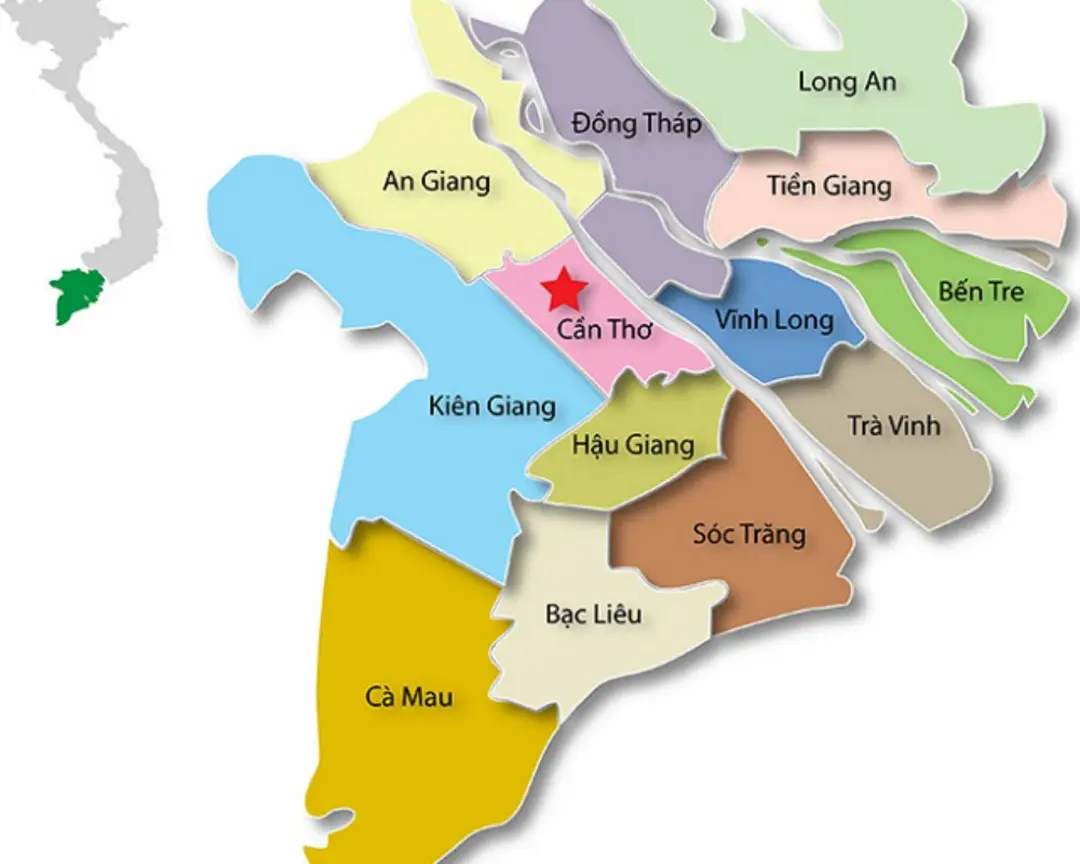
4-Day Independent Route: For mekong delta backpacking on a tighter schedule, focus on Can Tho and Ben Tre. Arrive in Can Tho by afternoon bus from Ho Chi Minh City. Rise early for the Floating Market, then head to Ben Tre for peaceful canal-side bike rides and community-led boat or cycling tours.
2-3 Day Route: If you’re short on time, dedicate two to three days for a tasters’ tour. Visit Can Tho’s highlights, enjoy a morning at the floating market, then travel onward north via overnight bus.
Transport Options
Getting to the Mekong Delta: Most backpackers begin their mekong delta backpacking adventure by taking an afternoon bus from Ho Chi Minh City to Can Tho. Buses are affordable, run often, and drop you in the heart of the region.
Traveling Within the Region: Once in the delta, mix up your transport. Homestays rent motorbikes that let you roam quiet backroads and explore hidden corners or islands. Traditional river journeys use large motorized cruise boats for main waterways, while nimble sampan-style canoes are perfect for twisting canals. To reach Nam Du or Hon Son, board local ferries. In Ben Tre and Vinh Long, rent a bicycle for tranquil rural routes. For real adventure, combine bikes with boats to float down secret offshoots of the mighty Mekong.
Key Places to Visit
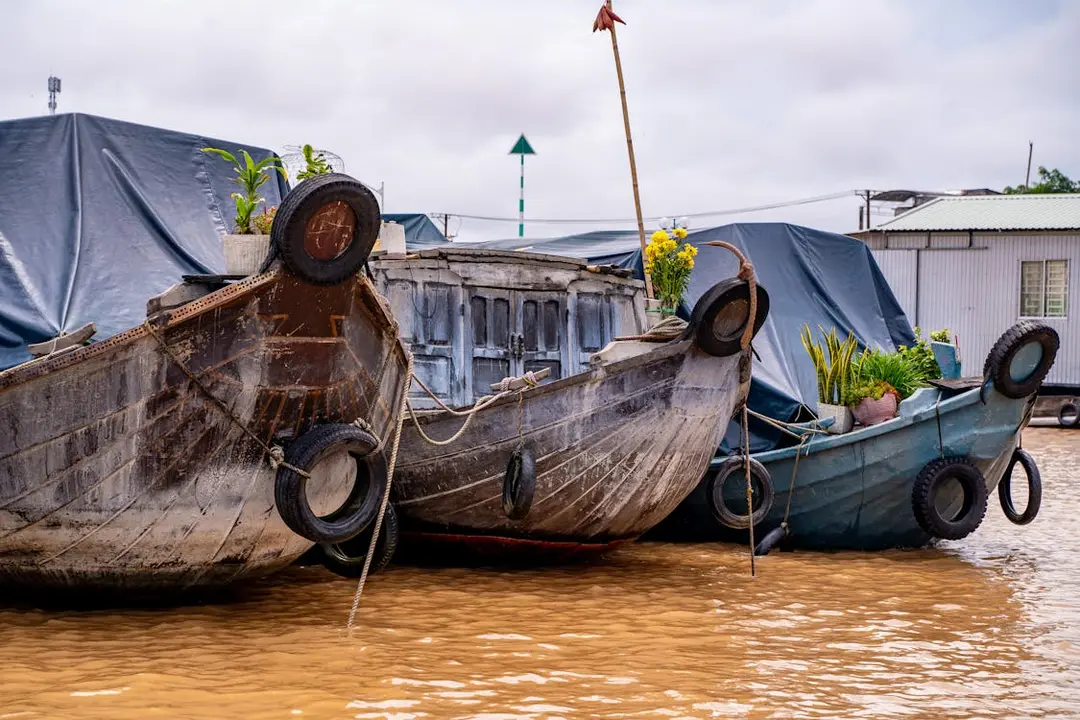
Can Tho: The beating heart of mekong delta backpacking, with early-morning floating markets full of boats trading local produce. Can Tho is a quiet city—arrive late, rest up, and wake before dawn for the best experience.
Ben Tre: Escape to coconut tree-fringed waterways and peaceful river villages in Ben Tre. Accommodations are often in rural areas, offering authentic daily life far from tourist crowds.
Vinh Long: Mark your map for Vinh Long’s lively central market. Try street food, tour distinctive temples, and roam the countryside. Don’t miss Xeo Quyt—a lush park floating with lily pads—and lotus flower farms where boardwalks take you into a blooming wonderland.
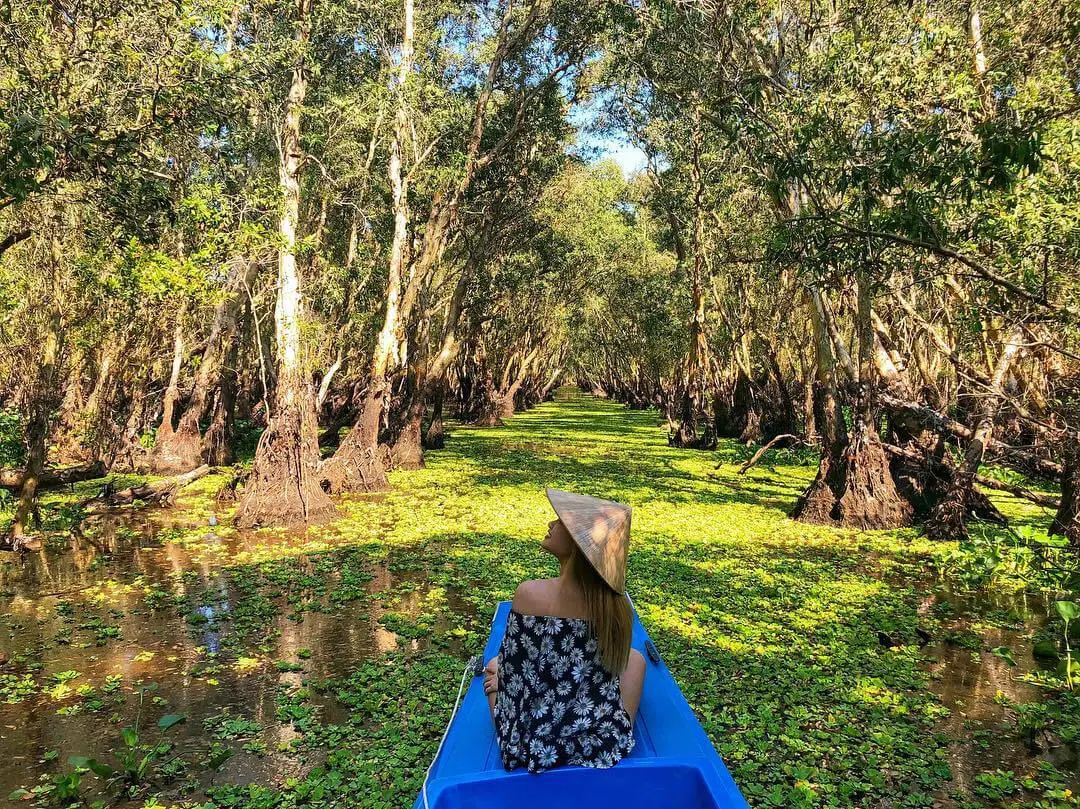
Chau Doc: Adventure continues at Chau Doc, with its expansive Tra Su Cajuput forest—perfect for boat rides among flooded trees. From here, Sam mountain offers panoramic countryside sights and soaring temples.
Rach Gia: Known mainly as the springboard for island ferries, Rach Gia also hides some Cambodian-style temples worth a look if you have extra time.
Nam Du and Hon Son Islands: Take your mekong delta backpacking off the grid with ferries to these less-visited islands. Nam Du is relaxed—visit beachside villages, pop into coastal cafés, and loop the island by motorbike to find hidden viewpoints. Hon Son promises simple beach resorts, palm swings along Coconut Beach, and small fishing communities.

Traditional Craft Villages: Some homestays or local organizations offer short tours of classic craft industries. Learn about coconut candy-making or rice paper production for a touch of culture.
Estimated Costs
Exact costs for mekong delta backpacking depend on your travel style, food habits, and activities. Most basics—hostels, local eateries, ferries, and bikes—are cheap compared to other regions, making this a top-value destination. Be sure to check prices with hosts and drivers, as they fluctuate but remain wallet-friendly for independent explorers.
How to Maximize Adventure & Independence While Backpacking the Mekong Delta
Choosing Flexible Routes
Backpackers thrive by staying flexible. Listen to locals in hostels, tap into up-to-date guidance, and don’t lock in every night before you go. This lets you adjust your mekong delta backpacking adventure for weather shifts or secret invitations to festivals or village events.
Traveling Off the Beaten Path
For a real taste of mekong delta backpacking, head where few tourists go. Take parallel rural roads, accept homestay invites in small farming villages, or explore quiet temple gardens on foot. The more you say yes to small detours and spontaneous discoveries, the more memorable your trip.
Navigating Local Transport Independently
Getting around on your own is key to mekong delta backpacking. At bus stations, ask staff for times and platforms—most intercity buses require a ticket, which can be bought at the station. Ferries to islands are reliable; buy tickets at the port. Rent bikes or motorbikes from your accommodation, and don’t hesitate to ask hosts for directions. For boats, arrange directly at river docks or local guesthouses.
Top Money-Saving Strategies for Mekong Delta Backpackers
Budget Accommodation Hacks
Scoring cheap rooms starts with walking around once you arrive. Mekong delta backpacking is made for hostels and homestays—most rural properties offer fair rates and go even lower if you arrive late in the day or share with fellow travelers. Check for last-minute specials on booking apps, but be prepared to negotiate directly for a better price.
Saving on Transport
Save cash on mekong delta backpacking by using local buses between cities. Share motorbike rentals with other travelers or post in hostel groups to split costs. On the islands, ask about multi-trip ferry passes, which can be cheaper if you visit several points in a row.
Affordable Dining Options
Eat like a local during your mekong delta backpacking journey—visit street stalls, busy markets, and family-run cơm tấm (broken rice) spots. Community meals at homestays can be great value. The cheapest, best feasts come from market vendors during morning rush or just before closing.
Must-Know Backpacker Travel Tips for the Mekong Delta
Essential Gear and Documents
Pack light but smart for mekong delta backpacking. Include waterproof gear, sunscreen, bug spray, and clothes for muggy weather. Carry photocopies of your passport and any required Vietnamese visas; some homestays or ferry operators may request ID. Bring a reusable water bottle and basic medical kit.
Best Time to Visit
Timing is key for mekong delta backpacking. Go from December to April for dry weather and pleasant boat rides. May to August is hotter and wetter, but offers lush scenery and big festivals. Avoid major holidays if you dislike crowds. Early mornings are always the best for markets and nature spots.
Connecting with Other Travelers
Meeting fellow adventurers is easy. Hostels, shared dorms, and riverside cafés are top spots for swapping tips and making plans together. Many local guides offer group day trips for those who want to join up for unique experiences but keep the independence of self-planning.
Avoiding Common Pitfalls
For smooth mekong delta backpacking, watch for price confusion in bus stations—always agree on fees first. Be wary of touts offering instant deals at busy bus or ferry terminals. Learn basic Vietnamese greetings and questions to avoid getting lost. Keep cash handy, as cards aren’t accepted everywhere.
How to Find Reliable, Up-to-date Travel Information in the Mekong Delta
Where to Get Local Updates
Get the freshest advice on mekong delta backpacking at bus stations, which show schedules and local connections. Tourism offices in bigger cities like Can Tho offer maps and route updates. Small villages often have community boards with ferry times, accommodation notes, and special event info.
Recommended Online Resources
Stay current by browsing active travel forums, region-specific blogs, and official transport websites. Backpacker Facebook groups often share live updates and discounts, while Vietnamese government and island ferry pages provide timetables and price changes for mekong delta backpacking.
Using Apps and Maps Efficiently
For reliable navigation, download offline map apps before you go. Maps.me and Google Maps are solid choices. Use translation apps for signs and local chats, and consider itinerary-tracking tools that save your plans offline in case you lose signal on ferries or rural routes.
To experience the authentic river life and vibrant local culture firsthand, feel free to explore our curated Mekong Delta tour collection at Viet Kolors Tour. We are dedicated to providing immersive journeys that showcase the true essence and hidden gems of the Mekong region.
